Food safety guide
Safer Food Better Business (SFBB): The Complete Guide
Learn how to use the FSA's Safer Food Better Business pack properly. Covers who needs SFBB, how to fill it in, common mistakes, and how it affects your food hygiene rating.
1 February 2026
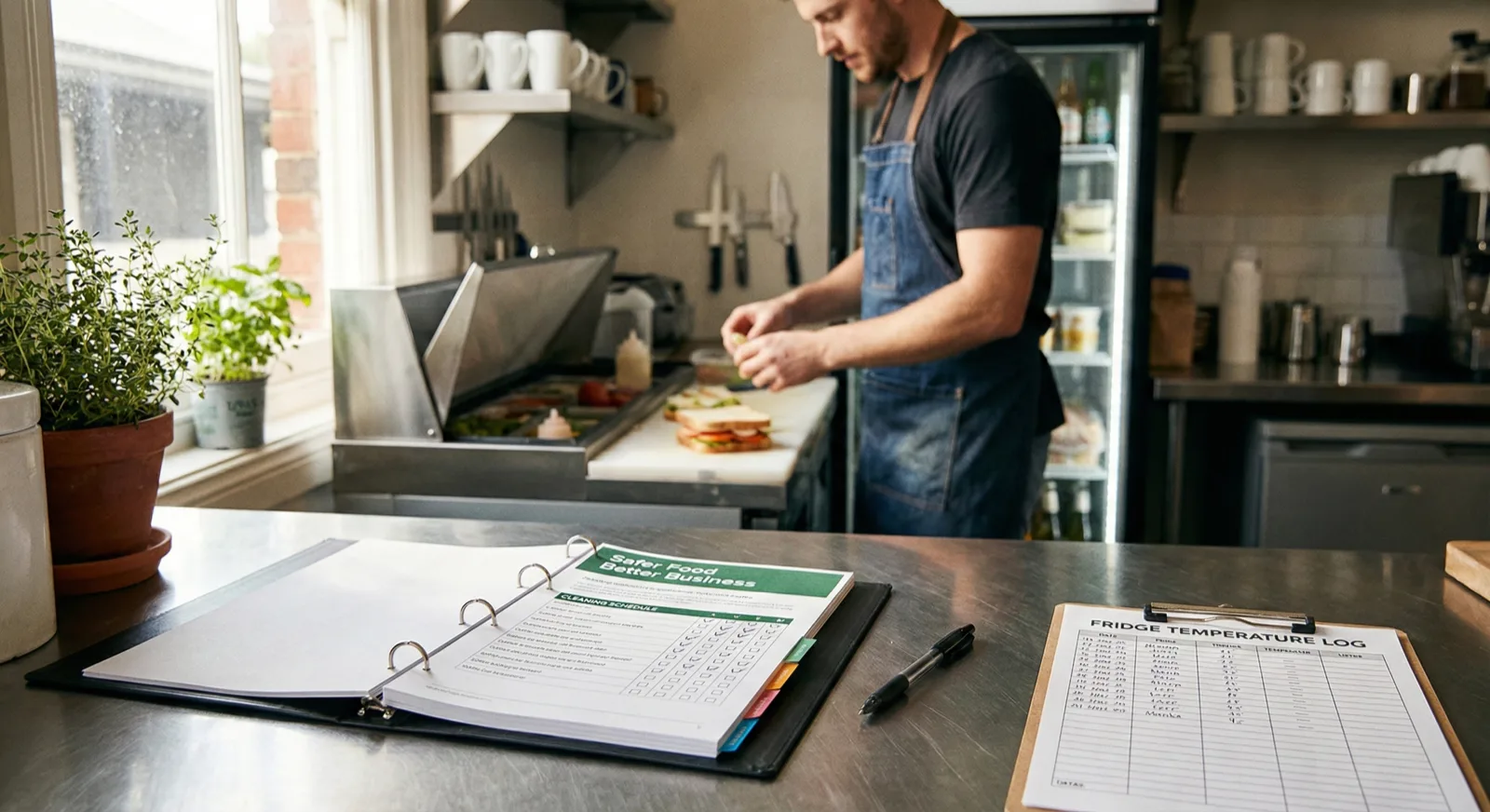
Every food business in the UK is legally required to have a documented food safety management system. For the thousands of small cafes, restaurants, and takeaways across England and Wales, the Food Standards Agency (FSA) offers a free resource designed to make that requirement manageable: Safer Food Better Business, commonly known as SFBB.
Despite being freely available, a surprising number of food businesses either do not use SFBB properly or treat it as a box-ticking exercise. The result is lost rating points during inspections and, more importantly, gaps in food safety that put customers at risk.
This guide walks you through everything you need to know about SFBB — what it contains, who needs it, how to fill it in correctly, and how it directly affects your food hygiene rating.
What is Safer Food Better Business?
Safer Food Better Business is a food safety management system developed by the Food Standards Agency. It is specifically designed for small catering businesses and retailers that need to comply with food hygiene legislation — including EC Regulation 852/2004 and the Food Safety Act 1990 — but may not have the resources or expertise to develop a full HACCP plan from scratch.
SFBB is based on the principles of Hazard Analysis and Critical Control Points (HACCP), but it translates those principles into plain language. Rather than asking you to conduct a formal hazard analysis and define critical control points in technical terms, SFBB uses the concept of “safe methods” — simple, practical steps your team follows every day to keep food safe.
The pack is available as a printed booklet from the FSA website, and there are different versions tailored to specific business types:
- Restaurants, cafes, and catering businesses
- Retailers and shops
- Childminders
- Residential care homes
Each version addresses the specific food safety risks most relevant to that type of operation, but the underlying structure remains the same.
SFBB is free to download or order. The FSA provides it at no cost because the goal is to make compliance as accessible as possible for small food businesses across England and Wales.
Who Needs to Use SFBB?
Under UK and EU food hygiene legislation, every food business must have a documented food safety management system based on HACCP principles. This applies regardless of size — from a street food stall to a hotel kitchen.
SFBB is the FSA’s recommended approach for small businesses in England and Wales. If you run a cafe, restaurant, takeaway, sandwich shop, pub kitchen, or similar small catering operation, SFBB is almost certainly the most straightforward way to meet your legal obligations.
It is worth noting that SFBB is not the only option across the UK:
- Scotland uses CookSafe, developed by Food Standards Scotland, which serves a similar purpose but follows a slightly different format.
- Northern Ireland has the Food Safety Management Diary, which is its own equivalent system.
- Businesses operating across borders should use the system appropriate to the nation in which each premises is located.
While SFBB is not technically the only way to comply — you could develop your own bespoke HACCP-based system — it is the approach Environmental Health Officers (EHOs) are most familiar with. Using SFBB makes inspections smoother because officers know exactly what to look for and can quickly assess whether your system is being maintained properly.
For larger or more complex operations, such as food manufacturers, businesses with multiple production lines, or those handling high-risk processes, a full HACCP plan is usually more appropriate. We cover the differences in more detail below.
What Does the SFBB Pack Contain?
The SFBB pack is structured around five core sections, each addressing a key area of food safety risk, plus a diary for ongoing record-keeping.
1. Cross-contamination
This section covers the safe methods your business uses to prevent harmful bacteria from spreading between foods, surfaces, and equipment. It addresses topics such as:
- Separating raw and ready-to-eat foods during storage and preparation
- Using colour-coded chopping boards and utensils
- Handwashing procedures and when to wash hands
- Managing allergens and preventing cross-contact
2. Cleaning
The cleaning section outlines how your business keeps the premises, equipment, and utensils clean and sanitised. It covers:
- Cleaning schedules and the two-stage cleaning process (clean then disinfect)
- How to deal with cloths and sponges
- Pest control awareness
- Waste management
3. Chilling
This section focuses on temperature control for cold storage, covering:
- Fridge and freezer temperature requirements
- How to cool cooked food safely
- Managing deliveries and checking temperatures on arrival
- Chilled display and transport requirements
4. Cooking
The cooking section addresses safe cooking and reheating practices:
- Core temperature requirements (75 degrees Celsius in England and Wales)
- How to check food is cooked thoroughly
- Safe reheating procedures
- Hot holding requirements
5. Management
The management section pulls everything together. It covers:
- Staff training and supervision responsibilities
- What to do when things go wrong (corrective actions)
- Supplier approval and traceability
- Dealing with customer complaints and food safety incidents
- Record keeping and documentation
The 4-Week Diary
Alongside the five main sections, the SFBB pack includes a 4-week diary. This is where you record your daily checks — fridge temperatures, cleaning tasks completed, any problems encountered, and the actions you took. The diary is the evidence that your system is actually being used, not just sitting on a shelf.
Once you have completed a 4-week diary, you are expected to start a new one. The FSA provides refill diary pages for this purpose.
How to Fill in Your SFBB Pack Properly
Having the SFBB pack is only the starting point. To get real value from it — and to satisfy your EHO during inspections — you need to complete it thoroughly. Here is a step-by-step approach:
-
Read the entire pack first. Before writing anything, read through all five sections so you understand what is covered and how the sections relate to each other.
-
Personalise the safe methods. This is the most important step. Each safe method has space for you to write in details specific to your business. For example, in the cross-contamination section, you need to describe how your kitchen is laid out, which colour-coded boards you use, and how you separate raw and cooked foods in your specific fridges. A generic, unpersonalised pack is one of the most common reasons businesses lose marks during inspections.
-
Complete the opening and closing checks. The pack includes templates for checks you should carry out when you open and close each day. Fill these in with the specific checks relevant to your operation — fridge temperatures, cleanliness of preparation areas, handwashing facilities stocked, and so on.
-
Fill in the diary daily. Not weekly. Not when you remember. Every single day your business operates, someone should be recording temperatures, noting any issues, and signing off on completed checks. Gaps in the diary are immediately obvious to EHOs and suggest the system is not being followed consistently.
-
Keep records of staff training. Document who has been trained, on what topics, and when. This includes induction training for new starters and any refresher training. The management section of the pack has space for this, but you may also want to keep a separate training log.
-
Review and update when things change. If you change your menu, bring in a new supplier, alter your kitchen layout, or introduce a new cooking process, your SFBB pack must be updated to reflect those changes. A pack that describes a menu you stopped serving six months ago is not fit for purpose.
-
Keep the pack accessible. Your SFBB pack should be available in the kitchen or food preparation area, not locked in an office. Staff need to be able to refer to it, and your EHO will want to see it during an inspection.
Common SFBB Mistakes That Cost You Rating Points
Environmental Health Officers see the same problems repeatedly. Avoiding these common mistakes can make a significant difference to your inspection outcome:
-
Using a generic pack without personalisation. Simply printing the FSA’s template and putting your business name on the front is not sufficient. Every safe method must be tailored to describe how your specific business operates. EHOs can tell immediately if a pack has been personalised or not.
-
Not filling in the diary consistently. A diary with gaps — or worse, one that has clearly been filled in retrospectively in a single sitting — undermines your entire food safety management system. It suggests that the safe methods are not actually being followed day to day.
-
No evidence of staff training. You may have trained your team thoroughly, but if there is no written record, it does not count. EHOs need to see documented evidence that staff understand food safety procedures and have been trained on your specific safe methods.
-
Not updating after menu changes. When you introduce new dishes, change suppliers, or alter preparation methods, your SFBB must be updated accordingly. A pack that does not reflect current operations is a compliance risk.
-
Treating it as a one-off exercise. SFBB is not something you complete once and forget about. It is a living document that requires daily entries, regular reviews, and updates whenever your business changes. Treating it as a one-off task is one of the most common reasons food safety systems fail in practice.
SFBB vs Full HACCP Plan — Which Do You Need?
SFBB is built on HACCP principles, but it is not a full HACCP plan. Understanding the differences helps you determine which approach is right for your business.
| Aspect | SFBB | Full HACCP Plan |
|---|---|---|
| Intended for | Small catering businesses and retailers | Larger operations, manufacturers, complex processes |
| Format | Pre-written safe methods you personalise | Custom-built from scratch for your operation |
| Technical detail | Plain language, simplified | Technical terminology, detailed hazard analysis |
| Cost | Free from the FSA | Usually requires consultant or specialist knowledge |
| Regulatory acceptance | Fully accepted for small businesses | Required for larger or higher-risk operations |
For most small food businesses — cafes, restaurants, takeaways, pubs, and small retailers — SFBB is entirely sufficient and is what EHOs expect to see.
You should consider moving to a full HACCP plan if your business:
- Manufactures food products for wholesale or retail distribution
- Operates multiple production lines with different risk profiles
- Handles complex processes such as vacuum packing, sous vide, or fermentation
- Supplies other businesses rather than serving directly to consumers
- Has been advised by your EHO that SFBB is no longer adequate for your scale of operation
If you are unsure, your local authority’s environmental health team can advise on which approach is appropriate. For a deeper comparison of HACCP-based systems, see our guide on HACCP vs HARPC and how different frameworks approach food safety management.
How SFBB Affects Your Food Hygiene Rating
Your Food Hygiene Rating Scheme (FHRS) score — the rating displayed on that green sticker in your window — is determined by an EHO inspection across three areas:
- Hygienic food handling — how food is prepared, cooked, reheated, cooled, and stored
- Physical condition of the premises — cleanliness, layout, lighting, ventilation, and facilities
- Confidence in management/control procedures — your food safety management system and how well it is being implemented
The third category is where SFBB has the most direct impact. “Confidence in management” assesses whether you have a documented system, whether it is up to date, and whether there is evidence it is being actively followed. This single category can account for a substantial portion of your overall score.
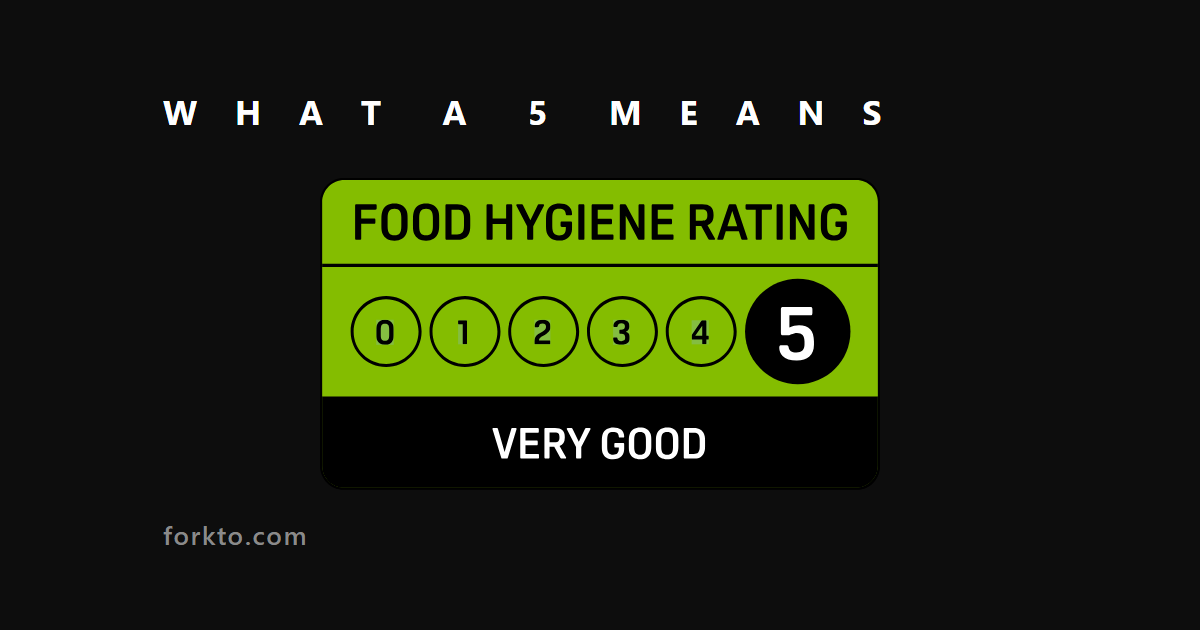
A well-maintained SFBB pack — personalised to your business, with a consistently completed diary and documented staff training — demonstrates to the EHO that you are in control of food safety. This contributes directly to achieving and maintaining a rating of 5 (“Very Good”).
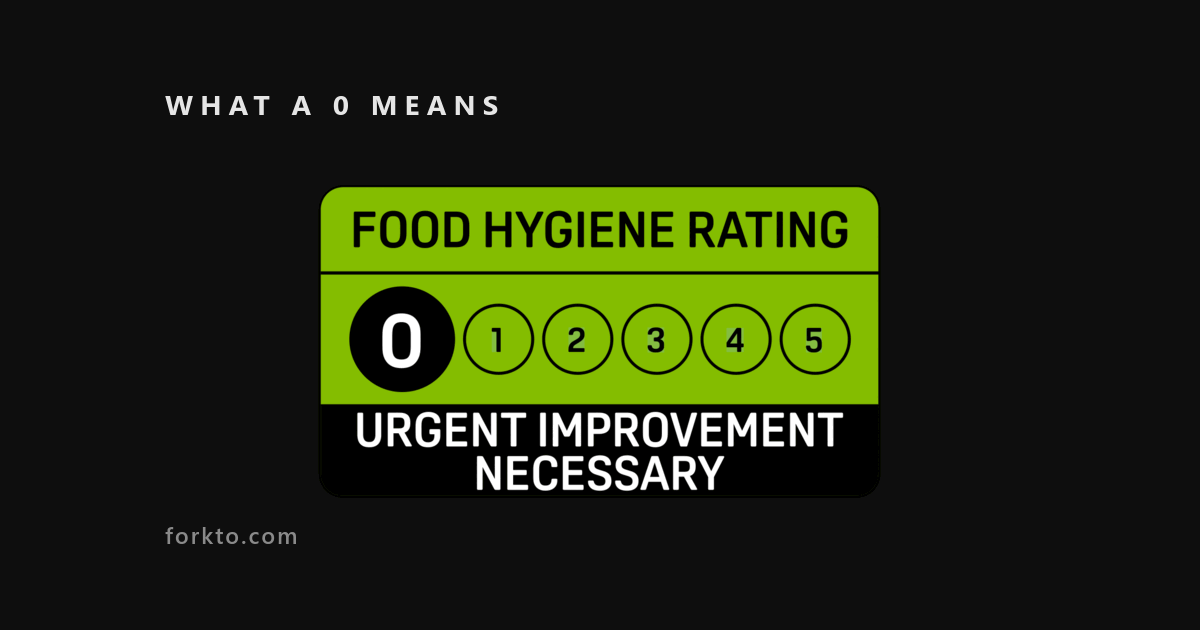
Conversely, a missing, incomplete, or outdated SFBB pack can drag your rating down even if your kitchen is physically clean and your food handling is good. EHOs need to see that you have a system in place and that you are using it. Without that evidence, they cannot have confidence in your management procedures.
It is also worth noting that if you score poorly on “Confidence in Management”, it can be more difficult to improve your rating through a re-inspection, because building a credible track record of daily diary entries and ongoing compliance takes time. You cannot fill in three months of diary entries the week before a re-visit.
Digital Alternatives to the Paper SFBB Pack
The traditional SFBB pack is a printed booklet with paper diary pages. While this format is simple and accessible, it comes with practical limitations that many busy food businesses encounter:
- Paper gets damaged. In a working kitchen environment, paper packs get splashed, stained, and dog-eared. Pages go missing or become illegible.
- It is difficult to update. When you need to revise a safe method — because your menu changed or you reorganised your kitchen — you are stuck crossing things out or reprinting sections.
- Records are easy to lose. Completed diary pages can be misfiled or discarded. If an EHO asks to see your records from three months ago and you cannot find them, that is a problem.
- There is no built-in accountability. With a paper system, there is no way to verify when entries were actually made. A diary that was filled in retrospectively looks the same as one completed in real time.
- Sharing and oversight is limited. If you manage multiple sites or want to review compliance remotely, paper makes that nearly impossible.
Digital food safety management systems address these limitations. They allow you to complete daily checks on a tablet or phone, with timestamped entries that cannot be backdated. Records are stored securely and are searchable, so you can pull up any day’s checks in seconds. Automated reminders help ensure nothing gets missed during a busy service.
Platforms like Forkto are designed specifically for this purpose, providing digital workflows for daily checks, temperature monitoring, and record-keeping that replace the paper pack. Rather than managing loose pages and hoping nothing goes missing, your key food safety records live in one place — always up to date, always accessible, and always ready for an inspection.
The transition from paper to digital does not change what you need to do — you still follow safe methods, record temperatures, and document training. What changes is how easily and reliably you can do it, and how confidently you can demonstrate compliance when your EHO walks through the door.
Getting Started with SFBB
Whether you choose to use the traditional paper pack or a digital alternative, the most important thing is to start using your food safety management system properly and consistently. Here is a practical starting point:
- Download or order the correct SFBB pack for your business type from the FSA website.
- Set aside time to read through the pack and personalise every safe method to reflect how your business actually operates.
- Brief your team on the safe methods and document that training.
- Begin filling in the diary from day one and make it part of your daily routine — as automatic as turning on the fryer.
- Schedule a monthly review to check that your pack still reflects current operations.
If you find that maintaining a paper-based system is becoming a burden, or if you want greater visibility and reliability in your food safety records, consider exploring digital tools that align with the SFBB framework. A well-maintained system — whether paper or digital — is what stands between your business and a poor hygiene rating, and more importantly, it is what keeps your customers safe.
Further reading
- What is HACCP? Complete UK Guide — the wider HACCP framework SFBB sits inside
- How to Get a 5-Star Food Hygiene Rating — how a complete SFBB pack protects your FHRS score
- EHO Inspection: The Complete UK Guide — what inspectors look for when reviewing your SFBB diary
Related Forkto software
Safe hands, clear records
Stop running food safety on paper
Forkto turns daily checks, temperature logs, HACCP and audits into a few taps on a phone. Your team stays consistent and you're always ready for the EHO.
14-day free trial · No card required