Food safety guide
Food Hygiene Rating 1: What It Means and How to Improve
A food hygiene rating of 1 means major improvement is necessary. What a 1 means, how one score caps you there, and how to get re-inspected and move up.
2 July 2026
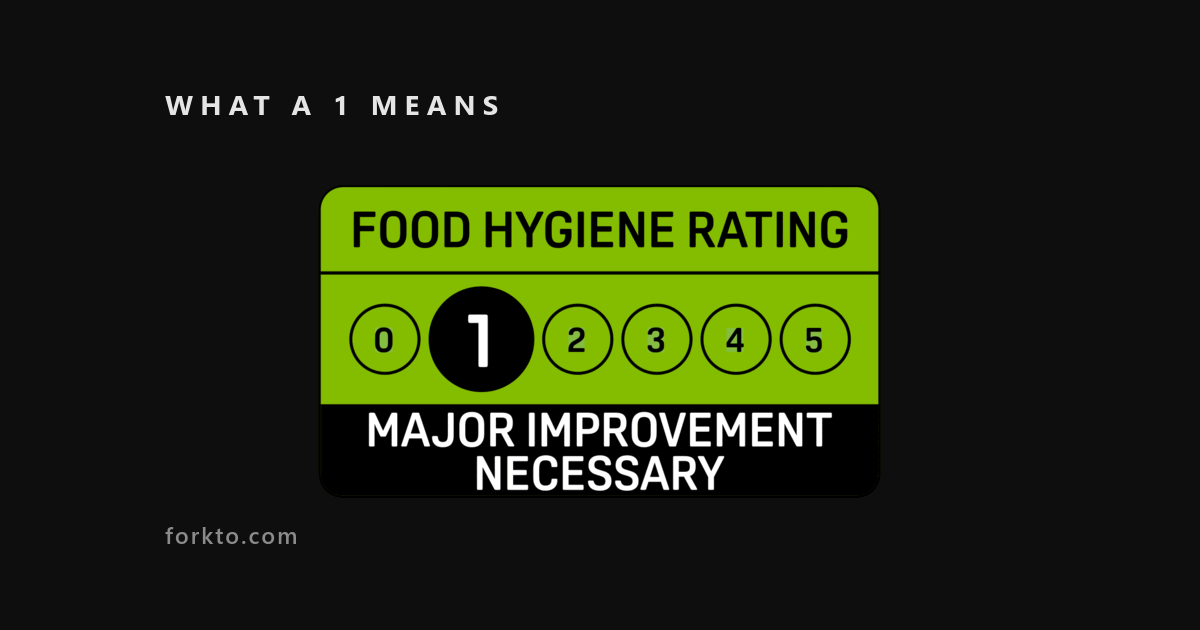
A food hygiene rating of 1 is the second-lowest score on the Food Hygiene Rating Scheme (FHRS) and officially means major improvement is necessary (FSA, Food Hygiene Rating Scheme). It tells the public the last inspection found significant failures in how food is handled, in the state of the premises, or in how the business manages food safety. A 1 does not force you to close, but it sits below the threshold most delivery platforms accept — and it is very recoverable.
If you have just been given a 1, this guide explains how the score arises, what it means commercially, and the exact route back up the scale. If you are a customer who has looked one up, the short version is at the end.
“1 star” versus a rating of 1
First, a quick clarification, because it is one of the most-searched things about this score. The FHRS does not use stars. It is a numeric scale from 0 to 5 — the green-and-black sticker shows a number, not a row of stars. When people search “1 star food hygiene rating” they almost always mean a rating of 1. There are no half-points and no star icons; a 1 is simply the number the officer arrived at.
What a 1 officially means
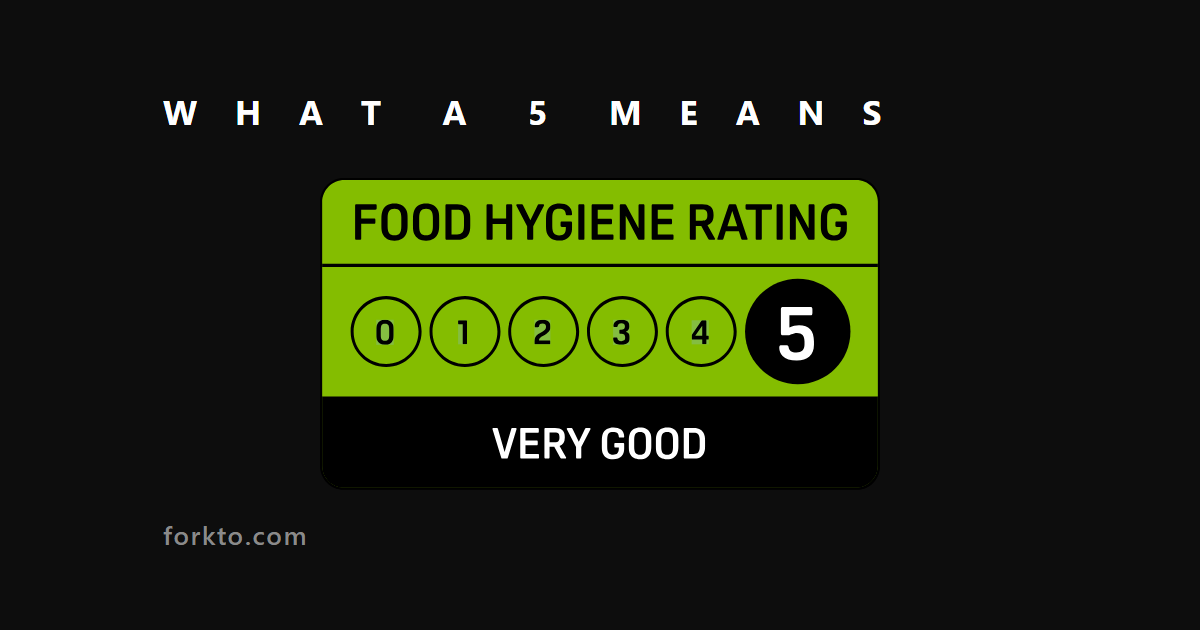
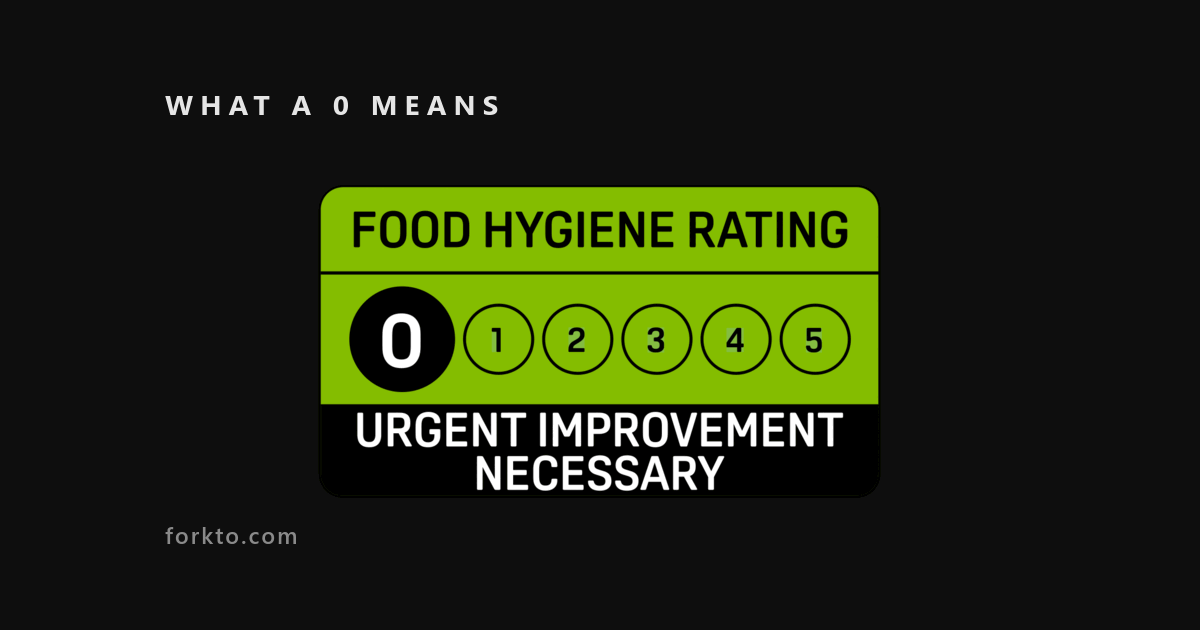
The scheme rates every food business in England, Wales and Northern Ireland from 0 to 5:
| Rating | What it means |
|---|---|
| 5 | Very good |
| 4 | Good |
| 3 | Generally satisfactory |
| 2 | Improvement necessary |
| 1 | Major improvement necessary |
| 0 | Urgent improvement necessary |
A 1 is one step off the bottom. It is more serious than a 2 (“improvement necessary”) and signals that the officer found major, not minor, shortfalls. Only about 3.0% of rated UK food businesses sit below a 3, so a 1 puts you in a small minority — see the latest UK food hygiene rating statistics. Every rating is published on ratings.food.gov.uk, so a 1 is visible to customers and platforms from the day it goes live.
How a business ends up with a 1 — the scoring
Your rating combines three element scores, and a lower score is better: hygienic food handling, the structural condition of the premises, and confidence in management (your systems, records and track record). The three are added, then checked against a total-score band and a cap on the highest single score (FSA FHRS Brand Standard).
| Rating | Total of the three scores | No single element above |
|---|---|---|
| 5 | 0–15 | 5 |
| 4 | 20 | 10 |
| 3 | 25–30 | 10 |
| 2 | 35–40 | 15 |
| 1 | 45–50 | 20 |
| 0 | above 50 | — |
There are two ways to land on a 1:
- A total of 45–50. Broad weakness across all three elements adds up into this band.
- One element of 20 caps you at 1, whatever your total. This is the route most owners do not see coming. A rating of 2 allows no single score above 15, so any element scored 20 drops you to a 1. In practice the culprit is usually confidence in management scored at 20 — the descriptor for “a significantly varying record of compliance; insufficient food safety knowledge; no food safety management system or unsatisfactory progress”. Confidence in management is scored 0, 5, 10, 20 or 30 (it skips 15 and 25), so there is no gentle middle: a business that cannot evidence its system jumps straight from 10 to 20, and a 20 caps the whole rating at 1 even if the kitchen itself is reasonable.
That is the key insight for anyone stuck at a 1: two good element scores cannot rescue one bad one. A business scoring 5 for hygiene, 5 for structure and 20 for management totals just 30 — but is still rated 1, because the 20 breaches the cap. The full mechanics are in our guide to how food hygiene ratings are scored, and the element that most often does the damage has a dedicated confidence in management explainer.
What a 1 costs you
- Display obligations. In Wales (since 28 November 2013) and Northern Ireland (since 7 October 2016) you must display your rating sticker at or near each customer entrance, a 1 included, with a fixed penalty notice of £200 for non-display (FSA, Food Hygiene Rating Scheme). Councils in Wales have prosecuted businesses that hid or faked a low sticker. Display is voluntary in England, and Scotland runs a separate scheme, but the rating is published online regardless.
- Delivery platforms. Just Eat requires a minimum rating of 3, and Deliveroo and Uber Eats require a minimum of 2. A 1 falls below all three, so it typically means removal until you improve — see our delivery platform hygiene rating requirements guide for the relisting route.
- Customer trust. A 1 is a strong deterrent to the significant share of customers who check ratings before deciding where to eat or order.
Exactly what to do next
- Read the inspection report. The officer must notify you of the rating in writing, at the inspection or within 14 days (gov.uk, FHRS guidance for businesses). Every non-compliance listed is a task on your fix-it list.
- Target confidence in management first. If a 20 is capping you, the single most valuable move is to put a real, documented food safety management system in place — Safer Food, Better Business for most small businesses — and keep the daily records current. Maintaining a HACCP-based procedure is a legal duty under Article 5 of Regulation (EC) 852/2004, not a nicety (legislation.gov.uk).
- Use a right to reply if trade is suffering. Free, published next to your rating, submittable any time up to your next inspection (gov.uk, FHRS guidance for businesses).
- Appeal within 21 days only if the rating is wrong. If you genuinely believe the 1 does not reflect the standards found, appeal in writing within 21 days to the local authority’s Lead Officer for Food — not the inspecting officer. Appealing is separate from improving and requesting a re-score.
- Request a re-rating when the work is done. After you have accepted the rating and fixed the non-compliances, you can request a re-inspection. In England with no fee, it is not usually done in the first three months and should happen within six months of the original inspection; where a fee applies, and in Wales and Northern Ireland, within three months of your written request. The re-visit is unannounced and covers the whole business, so be inspection-ready every day.
Our EHO inspection prep checklist lets you self-audit against the same criteria the officer uses, and our 1-to-5 action plan breaks the climb into a 30/60/90-day sequence — the most detailed route map if a 1 is exactly where you are starting. Before you request a re-visit, run the free EHO readiness score to see which of the three scored areas is holding you down. And since a 1 qualifies, you can get Forkto free until you get your 5 — we only get paid when your rating goes up.
The path back to 5
The gap between a 1 and a 5 is rarely one dramatic deep-clean; it is the evidence trail that convinces the officer your standards will hold. The businesses that recover fastest capture records as the work happens rather than reconstructing them the night before a re-visit. A digital audits and records system time-stamps every temperature check, cleaning sign-off and opening routine, so the confidence-in-management evidence that capped you at a 1 is already in place when the officer returns.
Climbing off a 1 usually lands you at a 2 or a 3 first — see what each of those requires, and what separates a good 4 from the top score. If you have already dropped to the bottom, our guide to a rating of 0 covers the enforcement side.
If you are a customer who found a 1
A rating of 1 means the last inspection found major hygiene problems — the FSA descriptor is “major improvement necessary”. It reflects conditions on the inspection date, which can be recent or up to two years old depending on the business’s risk category, so check the inspection date and any right to reply on ratings.food.gov.uk. But a 1 is a clear signal to be cautious.
Frequently asked questions
What does a food hygiene rating of 1 mean?
It is the Food Standards Agency’s second-lowest rating and means major improvement is necessary. The last inspection found significant failures across hygiene, structure or management of food safety. A 1 does not close your business, but it sits below the minimum rating most delivery platforms accept.
Is a 1 the same as a 1-star food hygiene rating?
Effectively yes, but the scheme uses numbers, not stars. The Food Hygiene Rating Scheme runs from 0 to 5, and people often say “1 star” when they mean a rating of 1. There are no half-ratings and no star icons on the official green-and-black sticker.
How does a business get capped at a rating of 1?
A single element score of 20 forces a rating of 1 regardless of your total, because a rating of 2 allows no single score above 15. A confidence-in-management score of 20 — a significantly varying record with no adequate food safety management system — is the most common cause.
How do I improve from a food hygiene rating of 1?
Fix every non-compliance in the inspection report, put a documented food safety management system in place and keep the records current, then request a re-rating once the work is genuinely done. Confidence in management is usually the fastest lever, because it is the element most often left undocumented.
How long does a food hygiene rating of 1 stay on show?
Until your next inspection or re-rating replaces it. There is no fixed expiry — a 1 remains published on ratings.food.gov.uk until a new inspection produces a new score. Lower-rated businesses tend to be inspected more frequently, so the wait for a fresh score can be shorter.
Related Forkto software
Frequently asked questions
What does a food hygiene rating of 1 mean?
It is the Food Standards Agency's second-lowest rating and means major improvement is necessary. The last inspection found significant failures across hygiene, structure or management of food safety. A 1 does not close your business, but it sits below the minimum rating most delivery platforms accept.
Is a 1 the same as a 1-star food hygiene rating?
Effectively yes, but the scheme uses numbers, not stars. The Food Hygiene Rating Scheme runs from 0 to 5, and people often say '1 star' when they mean a rating of 1. There are no half-ratings and no star icons on the official green-and-black sticker.
How does a business get capped at a rating of 1?
A single element score of 20 forces a rating of 1 regardless of your total, because a rating of 2 allows no single score above 15. A confidence-in-management score of 20 — a significantly varying record with no adequate food safety management system — is the most common cause.
How do I improve from a food hygiene rating of 1?
Fix every non-compliance in the inspection report, put a documented food safety management system in place and keep the records current, then request a re-rating once the work is genuinely done. Confidence in management is usually the fastest lever, because it is the element most often left undocumented.
How long does a food hygiene rating of 1 stay on show?
Until your next inspection or re-rating replaces it. There is no fixed expiry — a 1 remains published on ratings.food.gov.uk until a new inspection produces a new score. Lower-rated businesses tend to be inspected more frequently, so the wait for a fresh score can be shorter.
Safe hands, clear records
Stop running food safety on paper
Forkto turns daily checks, temperature logs, HACCP and audits into a few taps on a phone. Your team stays consistent and you're always ready for the EHO.
14-day free trial · No card required