Food safety guide
Food Hygiene Rating 2: What It Means and How to Improve
A food hygiene rating of 2 means improvement is necessary. What a 2 means, how a score of 15 caps you there, and how to get re-inspected and reach a 5.
2 July 2026
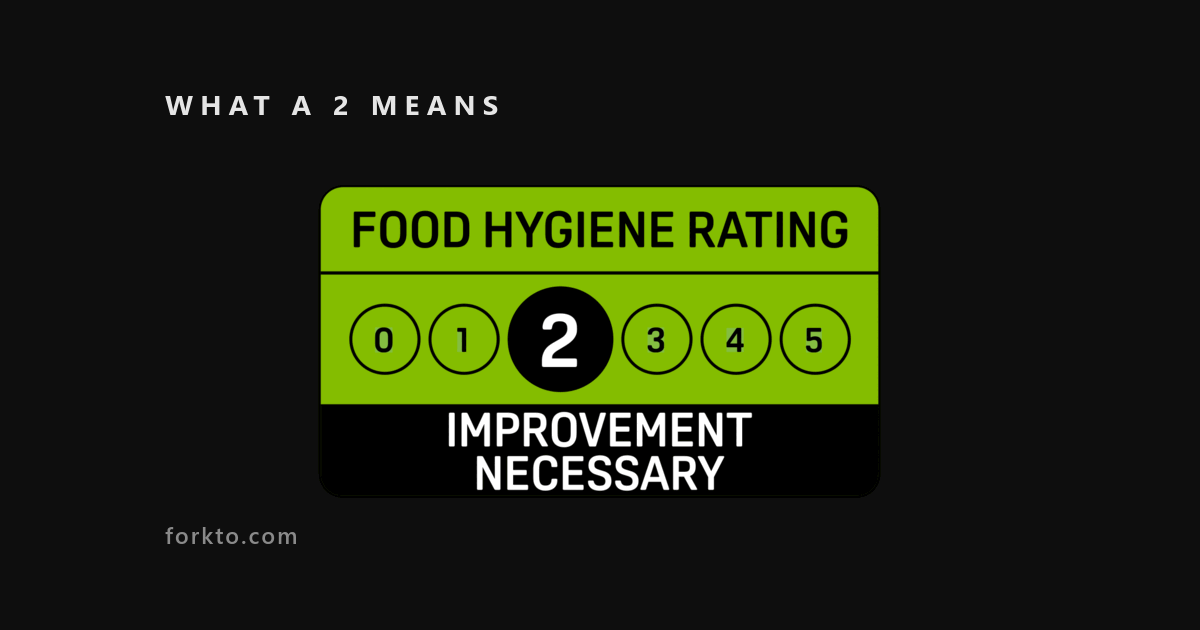
A food hygiene rating of 2 is below the middle of the Food Hygiene Rating Scheme (FHRS) and officially means improvement is necessary (FSA, Food Hygiene Rating Scheme). It tells the public the last inspection found real shortfalls — less serious than a 1 or 0, but clearly short of the standard most customers expect. A 2 does not stop you trading, and it is only two bands off the top of the scale.
If you have just been given a 2, this guide explains how the score arises, what it means for your business, and the shortest route back up. If you are a customer who has looked one up, the short version is at the end.
What a 2 officially means
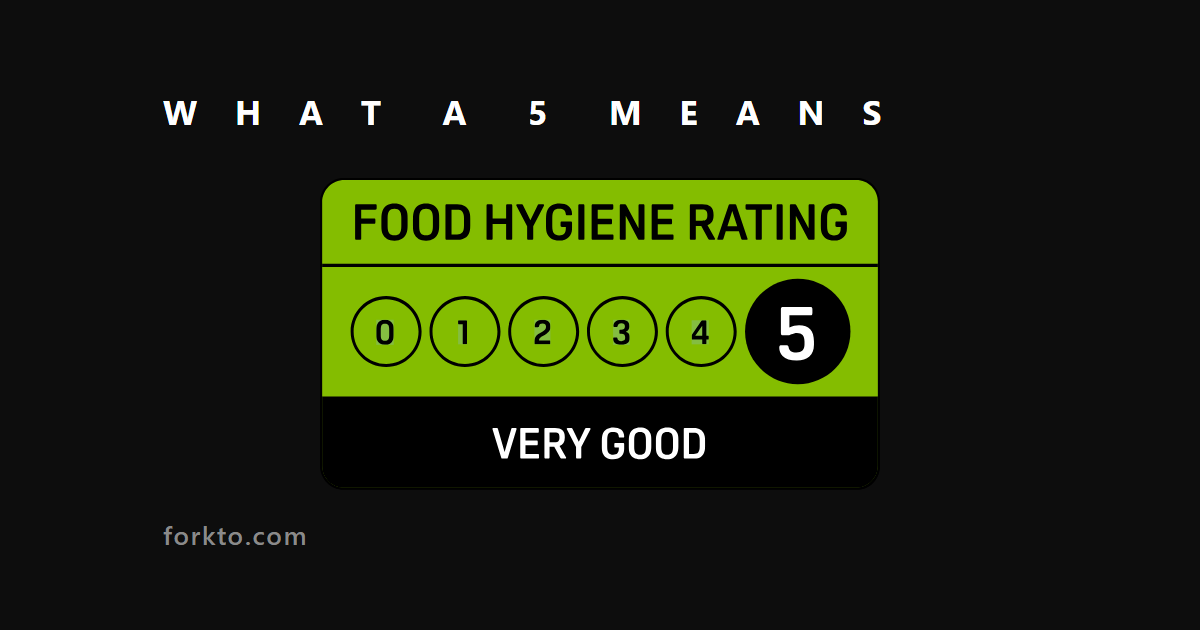
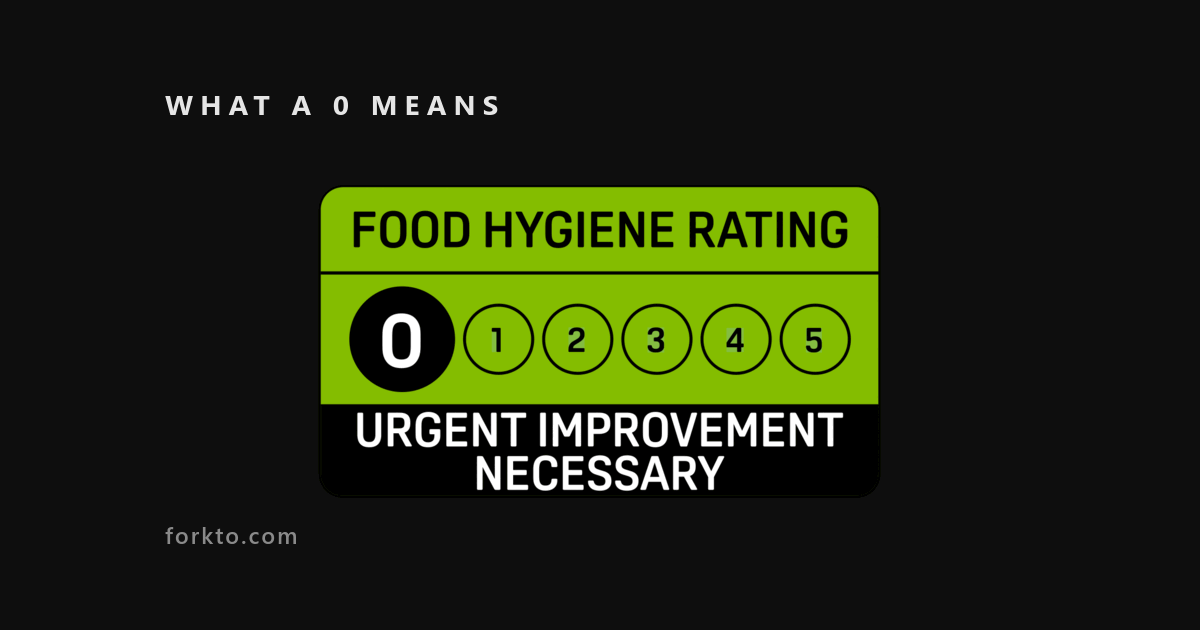
The FHRS rates every food business in England, Wales and Northern Ireland from 0 to 5:
| Rating | What it means |
|---|---|
| 5 | Very good |
| 4 | Good |
| 3 | Generally satisfactory |
| 2 | Improvement necessary |
| 1 | Major improvement necessary |
| 0 | Urgent improvement necessary |
The honest framing matters here. A 2 is not catastrophic, but it is below average — the great majority of UK food businesses hold a 4 or 5, so a 2 stands out — in fact only 3.0% of rated UK food businesses sit below a 3, and a 2 places you in that small group (see the latest UK food hygiene rating statistics). It is the point on the scale where the officer is telling you, plainly, that specific things need to change. Every rating is published on ratings.food.gov.uk, so a 2 is visible to anyone who looks.
How a business ends up with a 2 — the scoring
Your rating combines three element scores, and a lower score is better: hygienic food handling, the structural condition of the premises, and confidence in management (systems, records and track record). The three scores are added, then checked against a total-score band and a cap on the highest single score (FSA FHRS Brand Standard).
| Rating | Total of the three scores | No single element above |
|---|---|---|
| 5 | 0–15 | 5 |
| 4 | 20 | 10 |
| 3 | 25–30 | 10 |
| 2 | 35–40 | 15 |
| 1 | 45–50 | 20 |
| 0 | above 50 | — |
Two routes lead to a 2:
- A total of 35–40. Moderate weakness spread across the three elements.
- A single score of 15 caps you at 2, whatever your total. A rating of 3 allows no single element above 10, so any element scored 15 drops you to a 2. Here is the useful detail: confidence in management can only be scored 0, 5, 10, 20 or 30 — it cannot be 15. That means when a 15 is the thing capping you at a 2, it is always coming from hygiene or structure, not management. A score of 15 in either of those elements is the descriptor for “some major non-compliance with statutory obligations — more work required”.
So the diagnosis for a 2 is often cleaner than for lower ratings: find the element sitting at 15, and that is your target. The full scoring logic is in our guide to how food hygiene ratings are scored, and if your management score is what is holding you back, the confidence in management explainer covers that element in depth.
What a 2 costs you
- Display obligations. In Wales (since 28 November 2013) and Northern Ireland (since 7 October 2016) you must display your rating at or near each customer entrance, and non-display carries a £200 fixed penalty notice (FSA, Food Hygiene Rating Scheme). Display is voluntary in England; Scotland runs a separate scheme.
- Delivery platforms. This is where a 2 has a very specific effect. A 2 meets the minimum of 2 that Deliveroo and Uber Eats require, but it is below Just Eat’s minimum of 3 — so a 2 can lock you out of Just Eat while you stay on the other two. Our delivery platform hygiene rating requirements guide breaks down each platform.
- Customer trust. A 2 gives cautious customers a reason to choose elsewhere, and it undercuts B2B tenders that often require a minimum of 4 or 5.
Exactly what to do next
- Read the inspection report. The officer must notify you in writing, at the inspection or within 14 days (gov.uk, FHRS guidance for businesses). It lists exactly what to fix.
- Fix the element sitting highest. If a 15 in hygiene or structure is capping you, that is the priority: the specific handling practice, temperature control, cleaning issue or structural repair the officer flagged. Then make sure your records back it up, because keeping a HACCP-based food safety management system is a legal duty under Article 5 of Regulation (EC) 852/2004 (legislation.gov.uk) and feeds the confidence-in-management score.
- Use a right to reply while you improve. Free, published next to your rating, submittable any time up to your next inspection (gov.uk, FHRS guidance for businesses).
- Appeal within 21 days only if the 2 is genuinely wrong. Appeal in writing to the Lead Officer for Food, not the inspecting officer.
- Request a re-rating once the work is done. In England with no fee, not usually within the first three months and within six months of the original inspection; where a fee applies, and in Wales and Northern Ireland, within three months of your written request. The re-visit is unannounced and whole-premises.
Self-audit against the same criteria the officer uses with our EHO inspection prep checklist, and follow the step-by-step climb in our action plan for reaching a 5. Before requesting a re-visit, run the free EHO readiness score to find which of the three scored areas is holding you down. And since a 2 qualifies, you can get Forkto free until you get your 5 — we only get paid when your rating goes up.
The path back to 5
From a 2, the top of the scale is genuinely within reach, and the difference is usually consistency you can prove. The businesses that move up fastest stop relying on paper diaries that get back-filled and start logging checks as they happen. Moving routine records to digital daily checks time-stamps each entry, so a fridge temperature or cleaning sign-off reflects what actually occurred — the evidence an officer looks for when deciding whether a good day is a reliable habit.
Aiming higher from a 2, it helps to see what each rung requires: what a 3 actually means, and why a 4 usually falls short of a 5 on one specific point. If you have dropped further, our guides to a rating of 1 and a rating of 0 cover those.
If you are a customer who found a 2
A rating of 2 means the last inspection found issues that need improvement — the FSA descriptor is “improvement necessary”. It is below the standard most UK businesses meet, but not the bottom of the scale. It reflects conditions on the inspection date, which may be up to two years old, so check the date and any right to reply on ratings.food.gov.uk.
Frequently asked questions
What does a food hygiene rating of 2 mean?
It means improvement is necessary. A 2 sits below the midpoint of the 0-to-5 scale and tells customers the last inspection found issues that need putting right, though less serious than a 1 or 0. It meets the minimum rating Deliveroo and Uber Eats require but sits below Just Eat’s minimum of 3.
Is a food hygiene rating of 2 bad?
It is below average. Most UK food businesses rate 4 or 5, so a 2 stands out as a business that needs work. It does not mean the business is unsafe to keep trading, but it signals real shortfalls that the officer expects to see fixed by the next inspection.
How does a business get a rating of 2?
Either the three element scores total 35 to 40, or a single score of 15 in hygiene or structure caps the rating at 2, because a rating of 3 allows no single score above 10. Confidence in management cannot score 15, so the capping 15 always comes from the hygiene or structure element.
How do I improve from a 2 to a 5?
Close the gap on whichever element scored highest, keep your food safety records current to lift the confidence-in-management score, then request a re-rating once the work is done. Because a 2 is only two bands off the top, the fixes are usually specific and achievable rather than a full overhaul.
Does a rating of 2 affect delivery apps?
It meets the minimum of 2 that Deliveroo and Uber Eats require, but it is below Just Eat’s minimum of 3. So a rating of 2 can keep you off Just Eat while you remain listed on the other two platforms.
Related Forkto software
Frequently asked questions
What does a food hygiene rating of 2 mean?
It means improvement is necessary. A 2 sits below the midpoint of the 0-to-5 scale and tells customers the last inspection found issues that need putting right, though less serious than a 1 or 0. It meets the minimum rating Deliveroo and Uber Eats require but sits below Just Eat's minimum of 3.
Is a food hygiene rating of 2 bad?
It is below average. Most UK food businesses rate 4 or 5, so a 2 stands out as a business that needs work. It does not mean the business is unsafe to keep trading, but it signals real shortfalls that the officer expects to see fixed by the next inspection.
How does a business get a rating of 2?
Either the three element scores total 35 to 40, or a single score of 15 in hygiene or structure caps the rating at 2, because a rating of 3 allows no single score above 10. Confidence in management cannot score 15, so the capping 15 always comes from the hygiene or structure element.
How do I improve from a 2 to a 5?
Close the gap on whichever element scored highest, keep your food safety records current to lift the confidence-in-management score, then request a re-rating once the work is done. Because a 2 is only two bands off the top, the fixes are usually specific and achievable rather than a full overhaul.
Does a rating of 2 affect delivery apps?
It meets the minimum of 2 that Deliveroo and Uber Eats require, but it is below Just Eat's minimum of 3. So a rating of 2 can keep you off Just Eat while you remain listed on the other two platforms.
Safe hands, clear records
Stop running food safety on paper
Forkto turns daily checks, temperature logs, HACCP and audits into a few taps on a phone. Your team stays consistent and you're always ready for the EHO.
14-day free trial · No card required